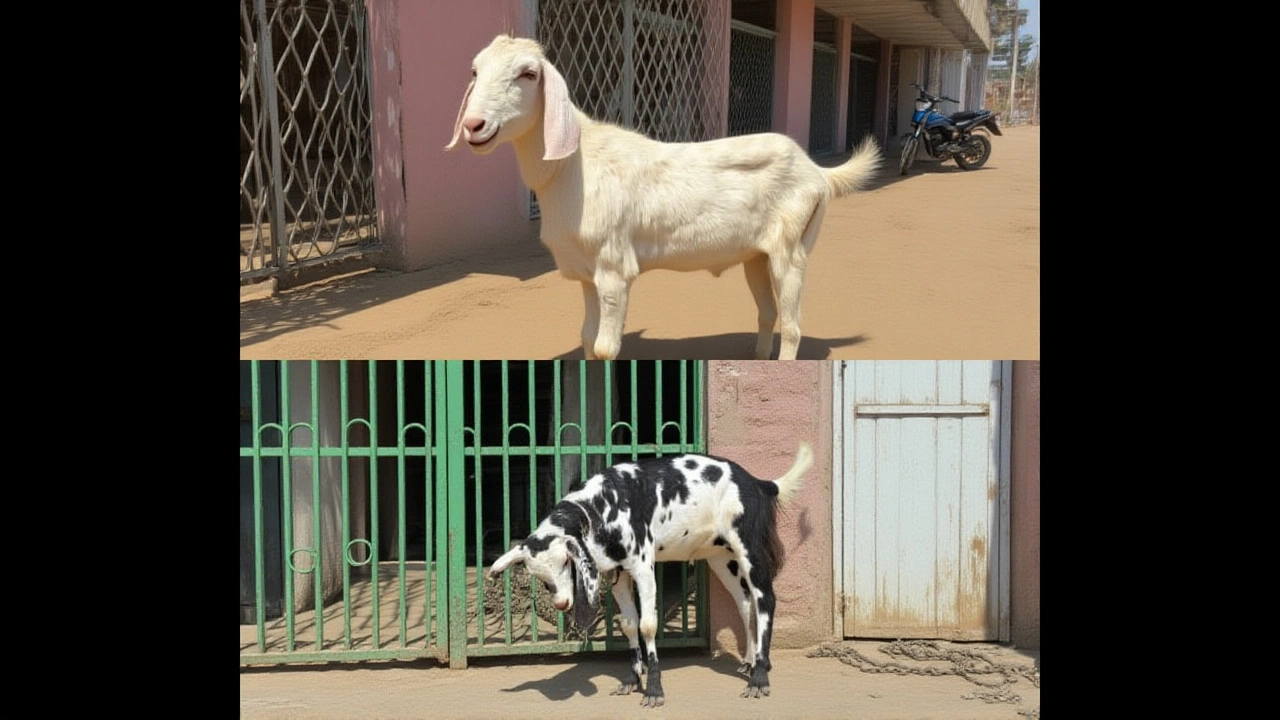
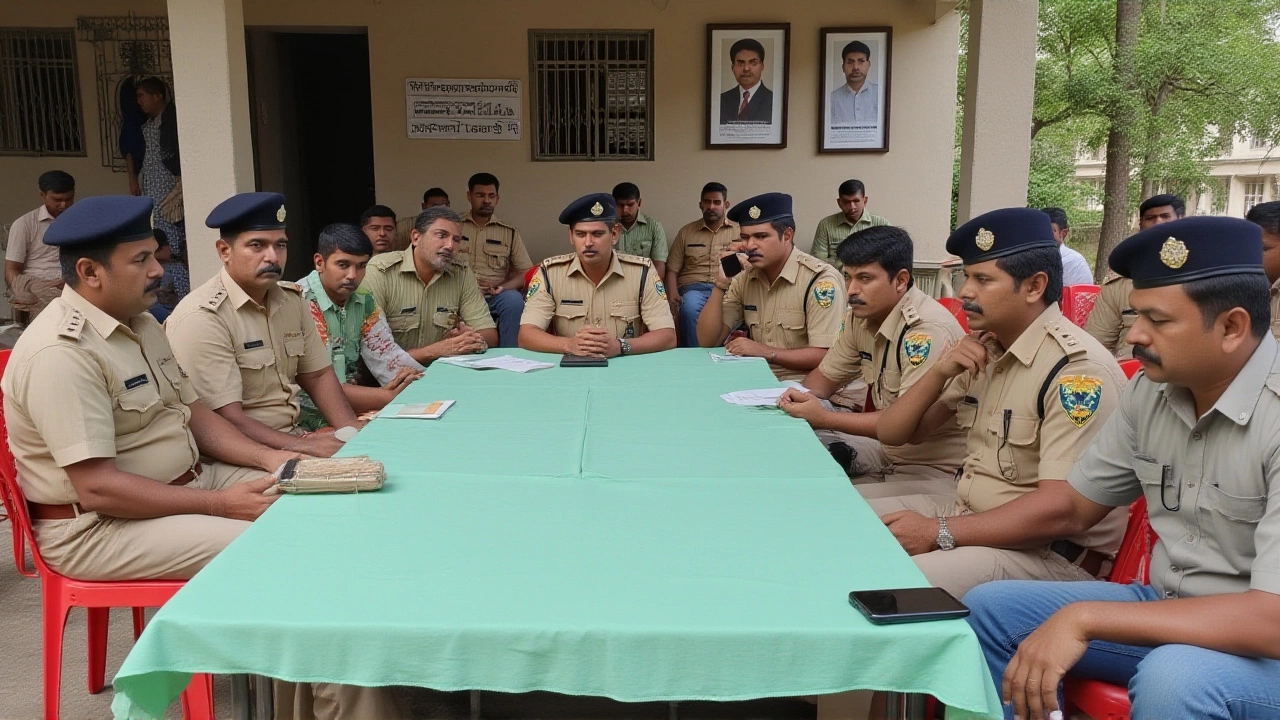
When Yogi Adityanath, Chief Minister of Uttar Pradesh, addressed district administration officials in Gorakhpur recently, he didn't mince words. The directive was clear: the upcoming festival of Eid-ul-Adha 2025 must proceed without any disruption to public order or traffic.
Held just days before the June 7 celebration, this meeting set a strict tone for how religious observances will be managed across India’s most populous state. It’s not just about security; it’s about logistics, sanitation, and enforcing long-standing bans on open-air sacrifices.
Strict Rules for Qurbani Locations
Here’s the thing that has caught everyone’s attention: there is zero tolerance for unauthorized animal sacrifice. The Chief Minister reiterated that Qurbani (animal sacrifice) can only take place at pre-designated, authorized sites. This isn’t a new rule, but the enforcement mechanism is tightening significantly.
"Sacrifice should only happen at predetermined locations," Yogi stated firmly during the review. "The ban on sacrificing prohibited animals must be strictly enforced." If you’ve been following local news, you know that cattle slaughter is already illegal in UP under the Uttar Pradesh Prevention of Cow Slaughter Act. The administration is now warning that any attempt to bypass these designated centers—especially in open spaces or residential areas—will face immediate legal action.
This aligns with a broader trend seen in neighboring states like West Bengal, where similar restrictions have been imposed. In fact, reports indicate that West Bengal has reduced its official holiday for Bakrid from three days to one, signaling a shift in how governments balance religious holidays with public workflow.
No More Road Blockades for Namaz
The twist is that prayer arrangements are also under scrutiny. For years, tensions have flared when large congregations block major roads during Eid prayers. This year, the message from the top is unambiguous: no permission will be granted for prayers that obstruct traffic.
"Prayers should be held only at traditional places," the CM instructed. "Permission will not be given to hold namaz by blocking roadways." Instead of sprawling into streets, mosques are being advised to manage crowds internally. If a mosque cannot accommodate everyone, authorities suggested a pragmatic solution: staggered prayer shifts. Yes, you read that right. "If there is more crowd, pray in shifts," was the specific advice given to religious leaders and local administrators.
This approach aims to respect religious freedom while ensuring that daily commutes aren’t paralyzed. It’s a delicate balance, but one that urban planners have been pushing for.
Sanitation and Surveillance Measures
Let’s talk about the aftermath. One of the biggest complaints after Bakrid is usually the mess left behind—blood, waste, and general unsanitary conditions. Yogi Adityanath emphasized that waste disposal must be scientific and planned. Municipal corporations and panchayats are expected to have cleanup crews ready before the festival even begins.
But safety isn’t just about cleanliness. The administration is deploying high-tech surveillance in sensitive areas. CCTV cameras and drones will monitor hotspots to prevent any untoward incidents. "Close monitoring of miscreants and troublemakers is essential," the directive noted. This tech-heavy approach reflects a modern strategy to preempt violence rather than react to it.
Broader Law and Order Context
While Bakrid preparations dominate the headlines, the Gorakhpur meeting covered other critical issues. The Chief Minister reaffirmed his "zero tolerance" policy toward crime. Whether it’s organized mafia activities or minor offenses, the instruction is to act swiftly. "Every small incident must be taken seriously," he said, highlighting a preventive policing model designed to stop small disputes from escalating into communal clashes.
Interestingly, the same meeting touched upon preparations for the International Day of Yoga on June 21. With Gorakhpur set to host major events for the 11th edition, officials were told to identify large, suitable venues immediately. It shows how the administration is juggling multiple large-scale public events in quick succession.
Frequently Asked Questions
Where can I perform Qurbani in Uttar Pradesh?
You can only perform Qurbani at government-approved, designated slaughterhouses or sacrifice centers. Performing sacrifices in open areas, residential lanes, or unauthorized private properties is strictly prohibited and may lead to legal action.
Can Eid prayers be held on the streets?
No. Authorities have explicitly banned holding prayers on roads if they cause traffic congestion. Prayers must be confined to mosque premises. If capacity is exceeded, mosques are advised to organize prayers in staggered shifts.
What happens if I sacrifice a prohibited animal?
Sacrificing prohibited animals, particularly cows, calves, and bulls, is a criminal offense in Uttar Pradesh. The administration has warned of strict legal consequences for anyone violating this ban, including police raids and arrests.
How is the government managing crowd control?
The government is using a combination of physical barricades, increased police presence, and technological surveillance. Drones and CCTV cameras will monitor sensitive areas to detect and deter potential troublemakers in real-time.
Is this policy unique to Uttar Pradesh?
Not entirely. Similar guidelines restricting open-air sacrifices and regulating public space usage during festivals have been implemented in other states like West Bengal, reflecting a nationwide trend toward stricter urban management during religious holidays.