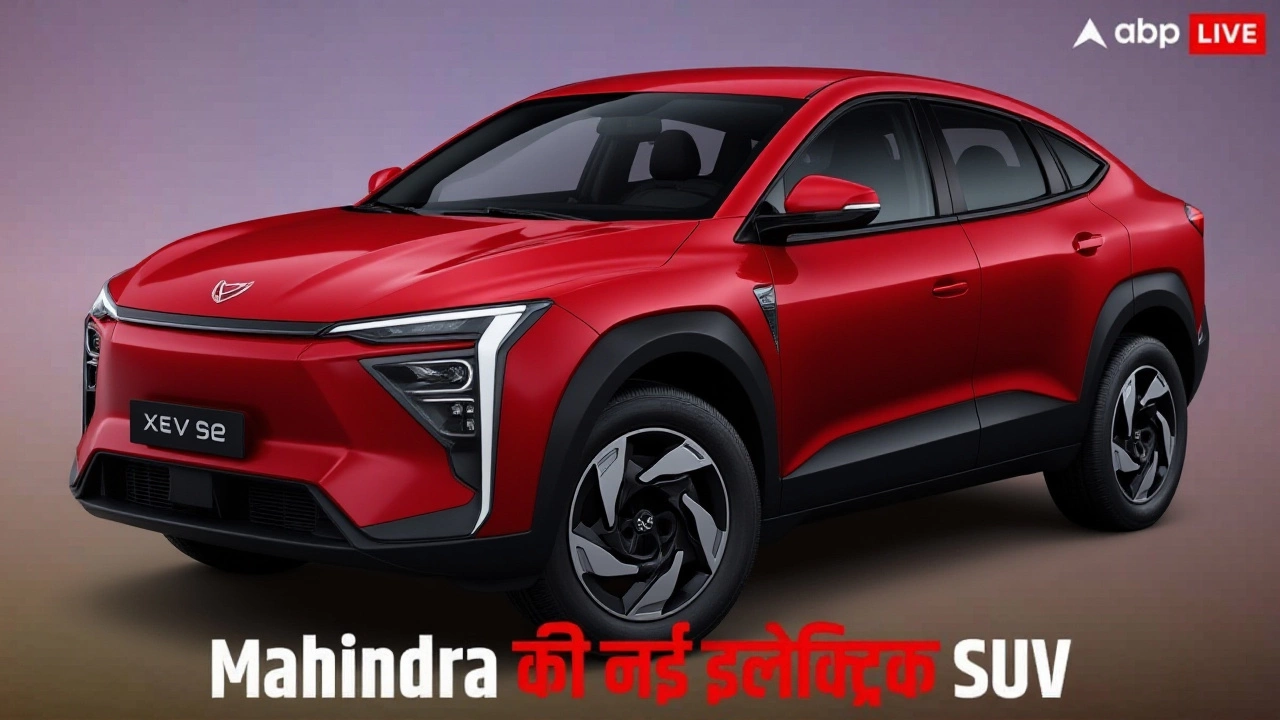
When Kia launched the Kia Carens Clavis EV in early 2025, it didn’t just enter the electric SUV race — it dropped a price bomb. Starting at ₹17.99 lakh ex-showroom, the base HTK Plus variant undercut the competition by nearly ₹4 lakh. But is it enough? Enter the Mahindra XEV 9E, a sleek, powerful contender with a 59 kWh battery, 656 km range, and a price tag that’s anything but gentle: ₹21.90 lakh. This isn’t just another EV comparison. It’s a battle of philosophy — affordability versus ambition — and Indian families are watching closely.
Price War: Budget vs. Premium
The numbers speak loudly. The Kia Carens Clavis EV HTK Plus kicks off at ₹17.99 lakh, while the Mahindra XEV 9E Pack One starts at ₹21.90 lakh. That’s a ₹3.91 lakh gap — more than the cost of a mid-range hatchback. But here’s the twist: Mahindra isn’t just pricing itself as a luxury option. It’s betting on performance and range as premium features worth paying for. The XEV 9S, sitting in the middle at ₹19.95 lakh, is the quiet middle ground — a sweet spot for those who want more than the Kia but aren’t ready for the full XEV 9E experience.Monthly EMIs tell another story. At 10.5% interest over five years, the base Kia costs ₹47,375 per month. The XEV 9E? ₹60,452. That’s over ₹13,000 extra every month. For many urban families, that’s a coffee, a school fee, or a weekend trip — not just a car payment.
Range, Charging, and Battery: The Real Differentiator
If range anxiety is your biggest EV fear, the Mahindra XEV 9E is the clear winner. With a 59 kWh battery, it delivers 542–656 km per charge. The Kia Carens Clavis EV’s 42 kWh pack manages 404–490 km. That’s not just a number — it’s a difference in freedom. One charge can take you from Delhi to Lucknow. The other? You’ll need to plan a stop.Charging speed seals the deal. The Mahindra hits 10–100% in just 20 minutes using its 180 kW DC fast charger. The Kia? 39 minutes for 10–80% on a 100 kW charger. That’s not a minor gap — it’s a generational leap. At a highway rest stop, you could grab a proper meal with the Mahindra. With the Kia, you’re still waiting when your coffee’s cold.
And here’s something rarely discussed: AC charging. The XEV 9E takes 6 hours for a full charge on an 11 kW home charger. The Kia? Just 4 hours. For daily commuters, that’s a big win for Kia. But for long-haulers? Mahindra’s DC speed wins every time.
Power, Drive, and Dimensions: Muscle vs. Efficiency
The Mahindra XEV 9E doesn’t just go farther — it goes faster. With 228–282 bhp and 380 Nm of torque, it’s a proper electric muscle SUV. The Kia? 133 bhp and 255 Nm. That’s not weak — it’s efficient. But if you’ve ever tried to merge onto a highway with a 133 bhp SUV packed with seven people, you know it’s a stretch.Drive layout matters too. The Kia uses front-wheel drive — standard for most EVs in this segment. Mahindra went with rear-wheel drive. Why? Better traction, improved handling, and a sportier feel. It’s a subtle but meaningful upgrade for drivers who care about dynamics, not just specs.
Size tells its own story. The XEV 9E is 4,737 mm long — nearly 20 cm longer than the Kia. The XEV 9S? A full 4,789 mm. That extra length means more cabin space, especially in the third row. The Kia’s 4,550 mm feels snug. Boot space? Mahindra claims 663 liters. Kia? No official number. That silence speaks volumes.
Design, Safety, and Features: What You Actually Use
Both offer 7-seater layouts — critical for Indian families. Both have curtain airbags, ABS, and regenerative braking. But safety details differ. The Kia has driver and front passenger airbags. The XEV 9E adds side front airbags. That’s not a gimmick — it’s a real upgrade for side-impact protection.Tyres tell a tale too. The Kia runs on 215/55 R17s. The Mahindra? 245/55 R19s. Wider tyres mean better grip, especially on wet monsoon roads. And while both have steering-mounted controls and cruise control, Mahindra’s larger wheel size and RWD setup make the driving experience feel more premium — even if you’re just going to the grocery store.
Who Wins? It Depends on Your Life
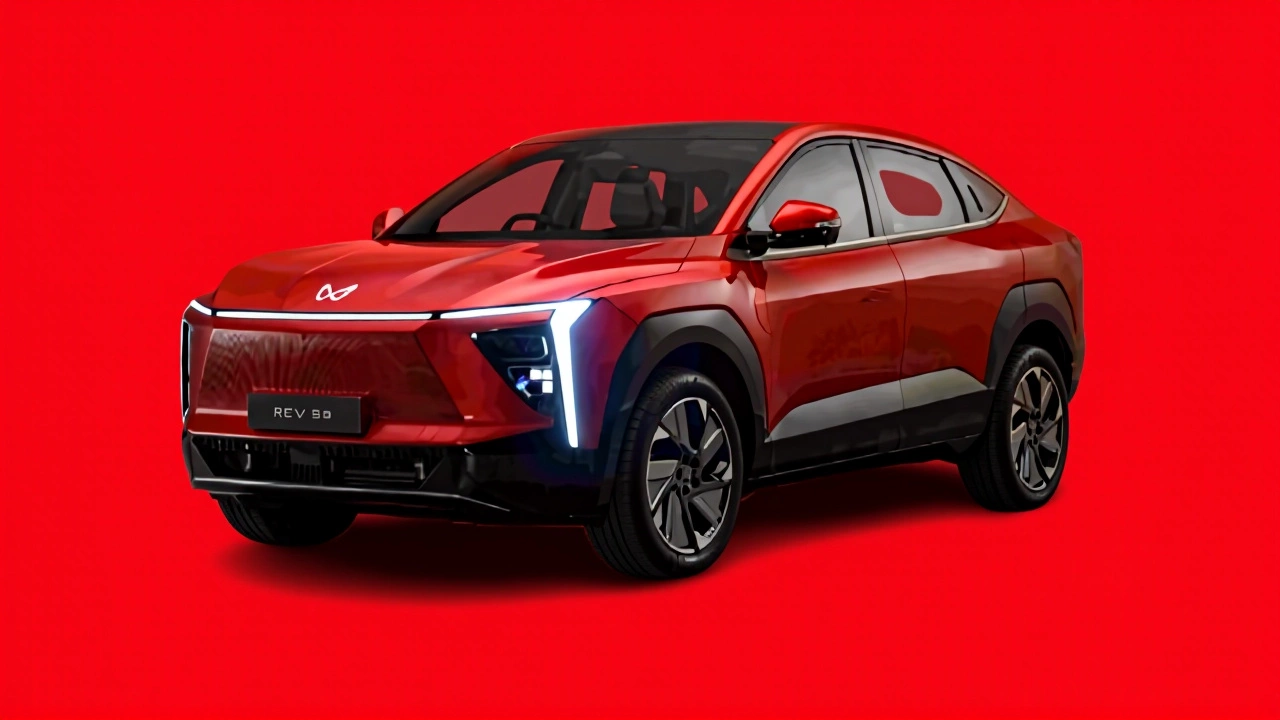
The Kia Carens Clavis EV is the smart buy for city dwellers. If you drive under 400 km a week, charge at home, and want a spacious, feature-rich SUV without the premium price, it’s hard to beat. It’s the practical choice — reliable, efficient, and surprisingly well-equipped.The Mahindra XEV 9E is for those who want to break free. Road trips. Family vacations. Highway commutes. If you need to go farther, faster, and with more confidence, it’s the only real option. The XEV 9S? A compelling middle ground — if you can find one in stock.
What’s missing? Charging infrastructure. Mahindra’s 180 kW speed means nothing if you can’t find a station. Kia’s 100 kW charger is more widely supported. And while Mahindra’s performance is impressive, the cost of ownership — battery replacement, service, insurance — is still unclear.
What’s Next?
By late 2025, Tata and Hyundai are expected to launch new 7-seater EVs. The market is heating up. But for now, the choice is simple: Do you want a car that fits your budget? Or one that fits your lifestyle?Frequently Asked Questions
Which electric SUV has better range — Kia Carens Clavis EV or Mahindra XEV 9E?
The Mahindra XEV 9E offers significantly better range at 542–656 km per charge, thanks to its 59 kWh battery. The Kia Carens Clavis EV manages 404–490 km with its 42 kWh pack. That makes the Mahindra far more suitable for long-distance travel without charging stops.
Is the Mahindra XEV 9E worth ₹4 lakh more than the Kia Carens Clavis EV?
It depends on your needs. If you prioritize range, power, and charging speed — especially for highway driving or family trips — then yes. The Mahindra delivers 282 bhp, 380 Nm torque, and 20-minute DC fast charging. The Kia is more affordable and efficient for city use, but lacks the performance and speed for true long-range freedom. The extra cost buys real capability, not just branding.
How does the charging time compare between the two EVs?
The Mahindra XEV 9E charges from 10–100% in just 20 minutes using its 180 kW DC fast charger. The Kia Carens Clavis EV takes 39 minutes for 10–80% on a 100 kW charger. For home charging, the Kia is faster — 4 hours vs. 6 hours on an 11 kW AC unit. But for public charging, Mahindra’s speed is a game-changer.
Which SUV is better for Indian family use — Kia or Mahindra?
Both offer 7-seater layouts, but the Mahindra XEV 9E has more interior space, larger boot (663 liters), and rear-wheel drive for better handling on uneven roads. The Kia feels more compact, especially in the third row. If you frequently carry heavy loads or travel long distances, the Mahindra’s size and power make it the more practical family choice — despite the higher price.
Are there any hidden costs with either EV?
Battery replacement is the biggest unknown. Mahindra’s larger 59 kWh pack will cost more to replace than Kia’s 42 kWh unit, though warranties are expected to be similar. Insurance premiums for the XEV 9E are likely 15–20% higher due to its value and performance. Service costs are still unclear, but Mahindra’s more complex RWD system may require pricier maintenance over time.
Should I wait for other EVs before choosing?
If you need a car now, both the Kia and Mahindra are solid. But by late 2025, Tata and Hyundai are expected to launch new 7-seater EVs with better pricing and charging networks. If you can wait 6–8 months, you might get a better option. But if you’re ready to go electric now, the XEV 9E offers the most future-proof package — if you can afford it.